IOEC: Unmasking Corruption in Iran’s Offshore Oil Industry
In Iran’s lucrative and politically charged oil industry, power and profit often go hand in hand. Senior executives in both public and private sectors are typically drawn from the ranks of the regime’s trusted inner circle, granting them access to insider information and privileges that foster corruption. Amid this landscape, the Iran Offshore Engineering and Construction Company (IOEC) stands as a striking example. With deep ties to the government, the company has been entangled in allegations of corruption and rent-seeking, highlighting the opaque and unchecked dynamics of one of the country’s most profitable sectors.
Founded in 1992 as Iran’s first general contractor specializing in offshore projects, IOEC has been instrumental in developing and installing offshore facilities for the nation’s oil and gas industry. Jahangir Pourhang has served as the company’s CEO since November 2024. His predecessor, Hossein Shiva, previously led the company; Shiva was a former manager at the National Iranian Tanker Company and an alumnus of Imam Hossein University, affiliated with the Islamic Revolutionary Guard Corps (IRGC).
Close Ties to the Government and the Ministry of Oil
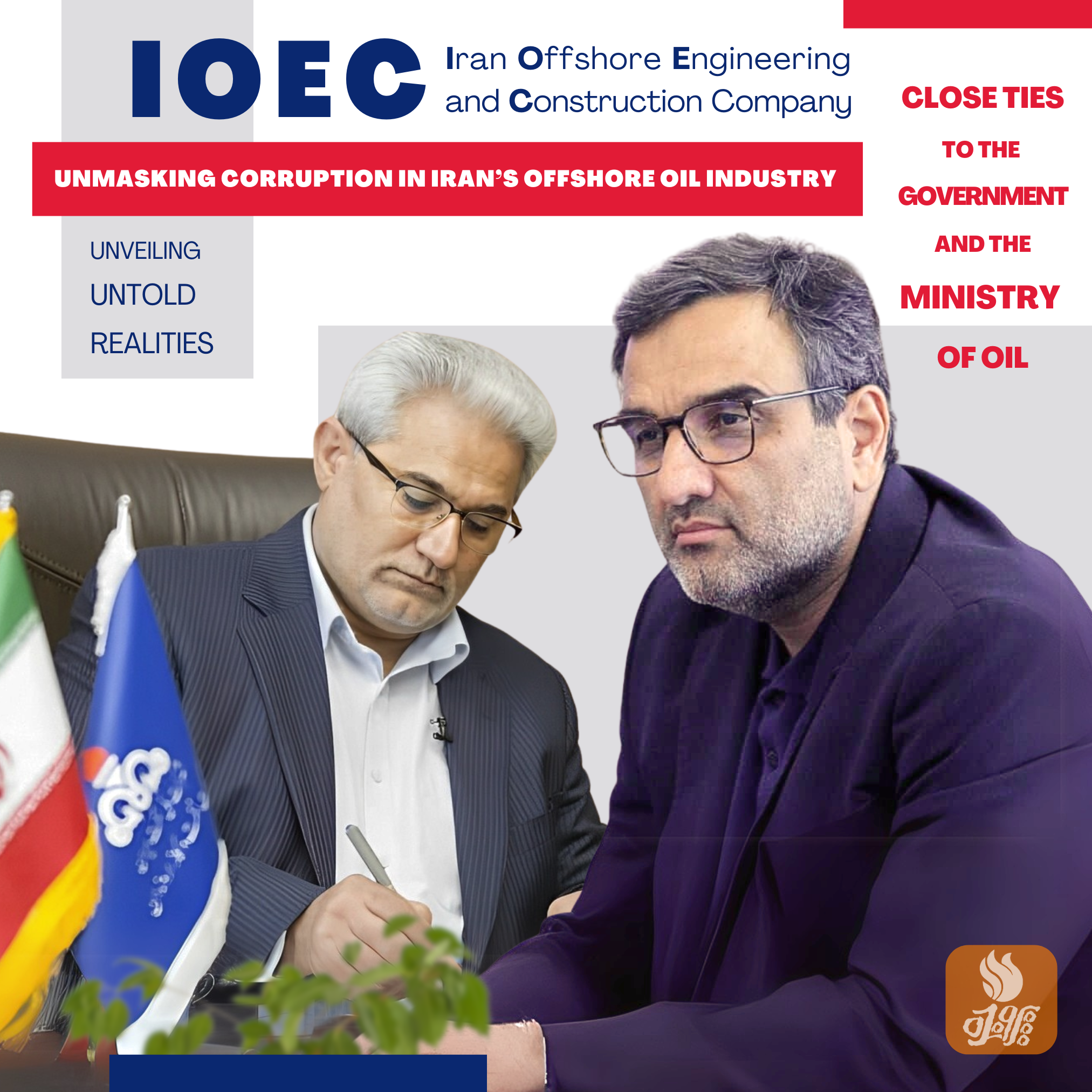
IOEC maintains strong connections with the Iranian Ministry of Oil. The appointment of its CEO is indirectly subject to the approval of the Oil Minister, reflecting the company’s close alignment with governmental interests. Masoud Soltanpour, a key government official in the Islamic Republic and one of IOEC founders, has historical ties to the radical Islamist group Ansar Hezbollah. Over the past three decades, the company’s leadership has consistently included individuals with close affiliations to the government and the Ministry of Oil. These relationships have granted IOEC privileged access to confidential information and lucrative contracts.
With the escalation of oil sanctions against Iran, individuals and companies with access to classified information found themselves in a highly advantageous position. The sanctions created extraordinary opportunities for opaque dealings, with the government granting them free rein to engage in rent-seeking transactions. In Iran’s political discourse, these actors have become widely known as the “sanctions profiteers.”
Allegations of Corruption and Excessive Salaries
Reports suggest widespread corruption within IOEC, particularly regarding the salaries and bonuses of its executives. Many managers and officials are alleged to have received bonuses several times higher than standard levels.
Two members of the Iranian parliament unveiled in July 2015 a $90,000 salary and a bonus of 60 million AED for IOEC managers. Additionally, there were revelations about payments ranging from 40 to 70 billion tumans to individuals, potentially justified as brokerage fees.
In a letter signed by several MPs, the Majles reported these violations of excessive payments to IOEC managers to the then-chief of the Judiciary in Iran.
The Mystery of 30 Oil Rigs Purchased from China
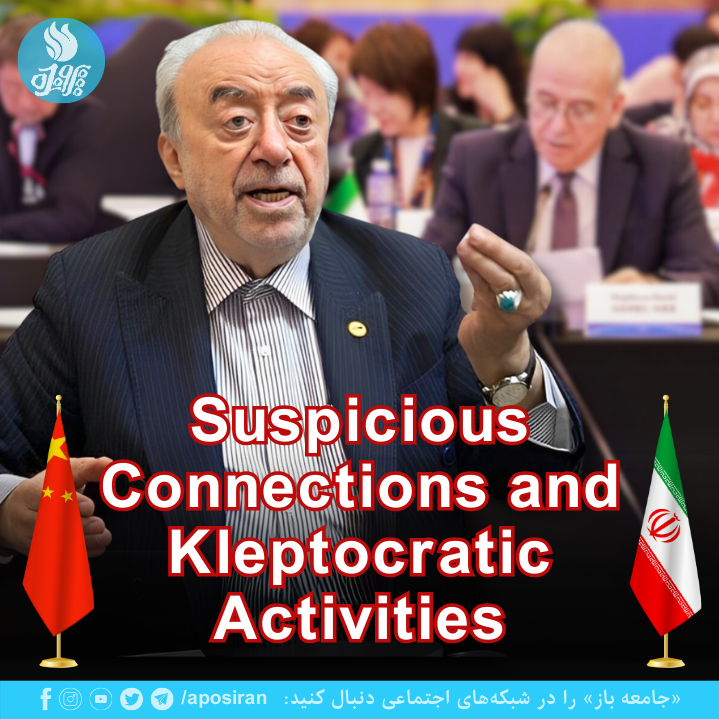
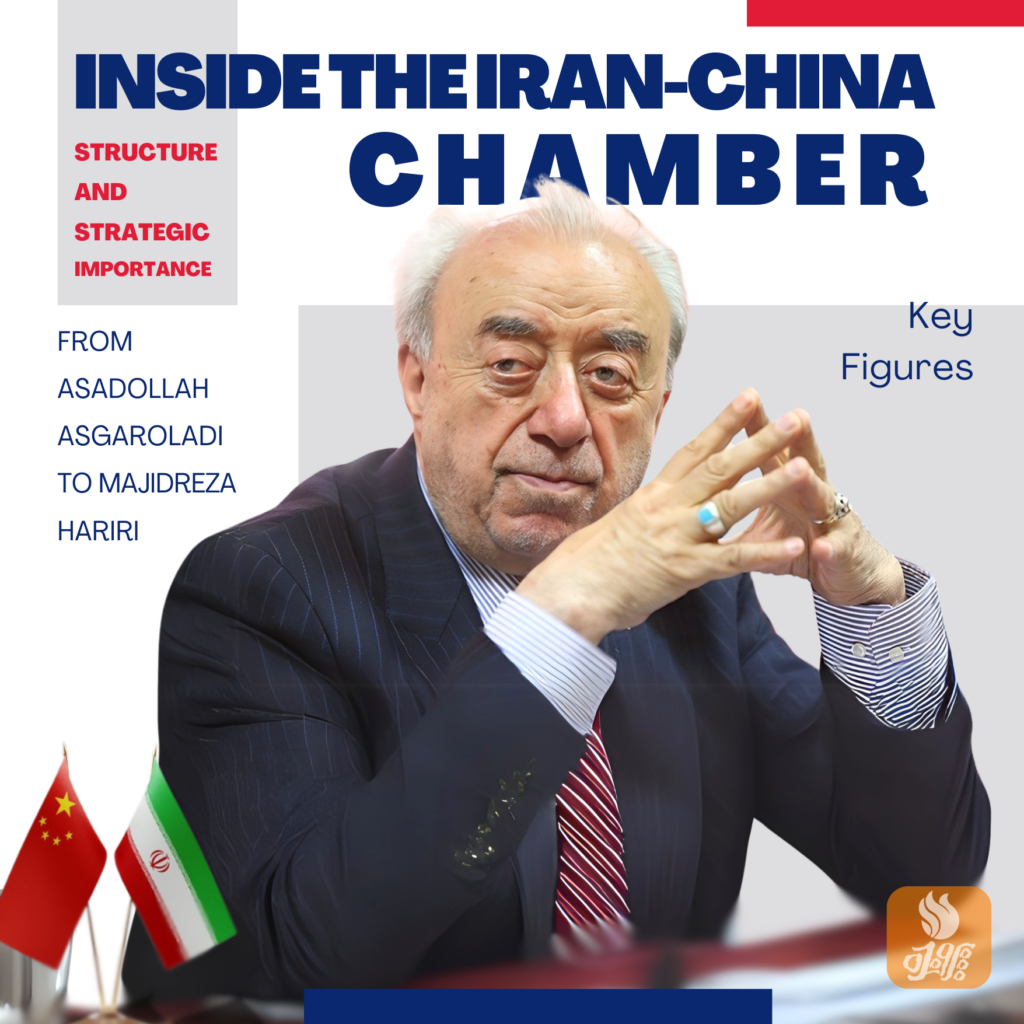
In recent years, as global sanctions on Iran have intensified, China has emerged as a key player in Iran’s economy and industrial development, driven by its strategic partnership with Tehran.
By facilitating ways to bypass sanctions, China has taken a leading role in major oil field projects, including the development of the Yadavaran oil field in the oil-rich province of Khuzestan, southwest of Ahvaz. Chinese companies have also established a strong foothold in Iran’s offshore oil and gas industry, owning six rigs and becoming the dominant foreign operators in this sector.
The purchase or leasing of oil rigs through brokerage services in China has become a highly lucrative business for the Iranian oil industry. However, these transactions have not been without controversy. In 2016, Abolqasem Rahmani, a former Iranian parliamentarian and CEO of the Iran Offshore Engineering and Construction Company (IOEC) following Taheri-Motlaq, revealed the problematic acquisition of 30 oil rigs from China.
Despite their high cost and questionable necessity, these rigs were purchased under the justification of circumventing sanctions.
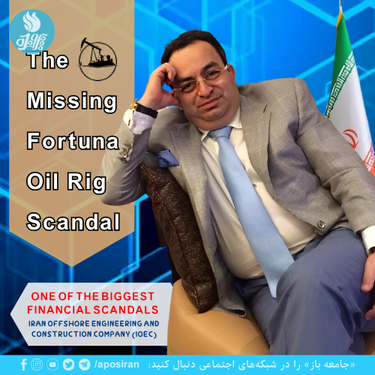
Rahmani disclosed that IOEC paid a $130 million deposit for the rigs but received only five oil platforms in return, raising questions about the legitimacy of these transactions. According to Mostafavi-Tabataba’i, CEO and majority shareholder of Sepanta—a company jointly owned by Iran and the UAE—these transactions were marked by ambiguities and irregularities. He estimated IOEC suffered losses between $110 and $130 million in a $2-billion contract for 10 offshore and 20 land-based oil platforms. The undelivered rigs, coupled with unclear dealings in China, significantly contributed to these financial setbacks.
Unequal Economic Competition and Unresolved Corruption Cases
The cases mentioned above represent only a fraction of the corruption and rent-seeking practices associated with the IOEC. Its close ties to the government and the Ministry of Oil have ensured that these issues have never been subjected to transparent and thorough judicial investigation within the framework of the Islamic Republic. This lack of accountability has stifled competition, sidelining private companies in Iran that cannot match the advantages enjoyed by this organization.
To read the whole dossier of IOEC, download this file: