Inside the Iran-China Chamber: Structure and Strategic Importance
The Iran-China Joint Chamber of Commerce and Industries (ICCCI) may appear straightforward in its setup, but its role in shaping trade relations between Iran and China is far-reaching. Membership in ICCCI has three levels, including standard member, supervising member, and honorary member. It also has eight committees and commissions as follows.
Leadership and Key Personnel
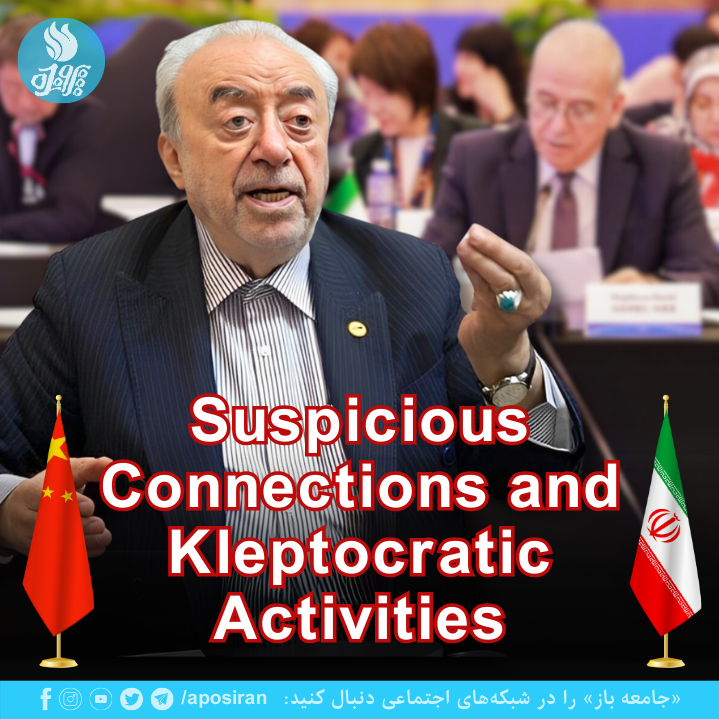
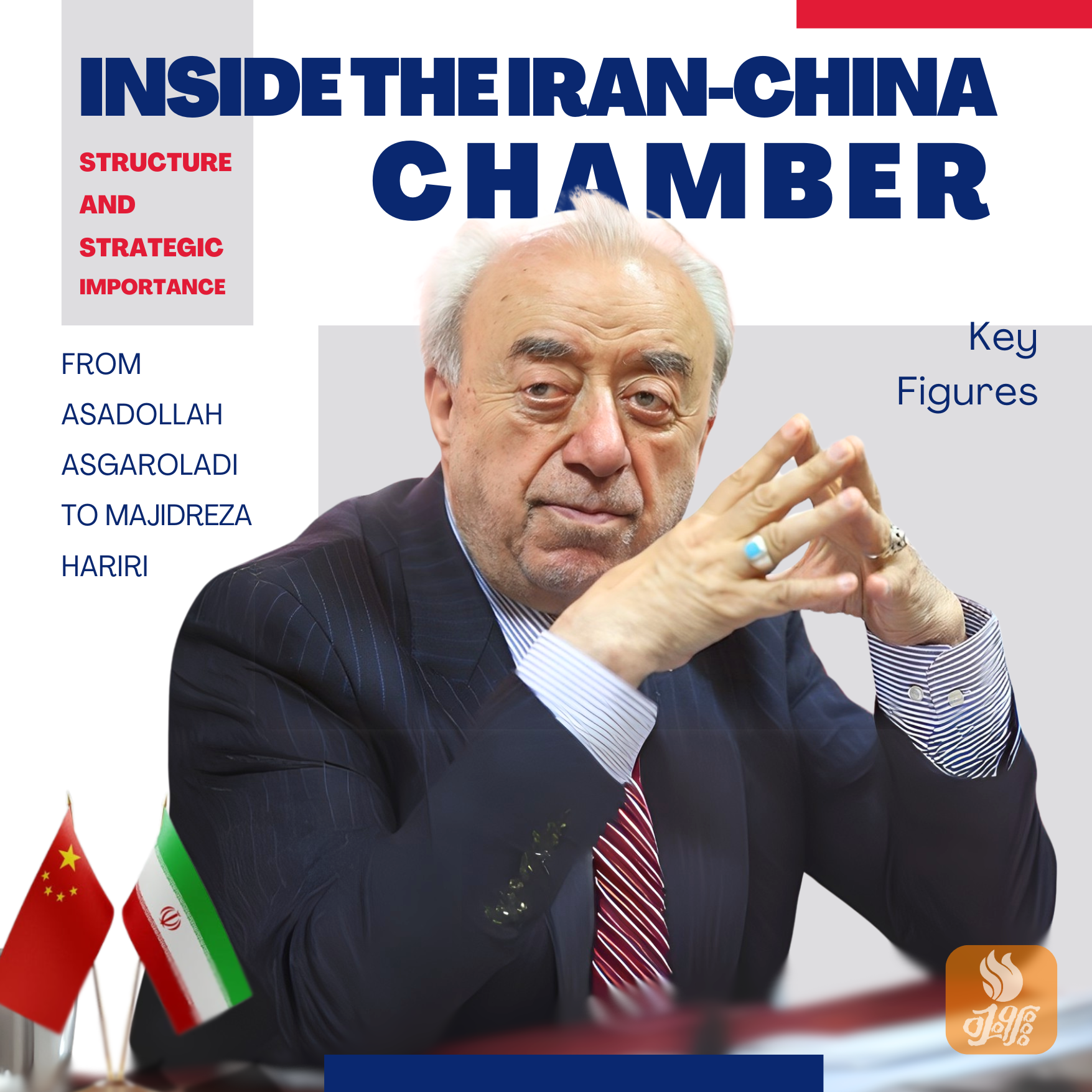
The board of directors, along with its chairman, plays a vital role in the organization’s key activities. Asadollah Asgaroladi served as the chairman from the organization’s inception until his passing in September 2019. Majidreza Hariri has served as the chairman of the organization since December 25, 2021. During his tenure with the organization, he also became the board chairman of another entity called the “Non-Commercial Institute of Iran Handicrafts Exporters Association,” a role he has held since January 18, 2016. Additionally, on March 13, 2010, he was appointed as the vice-inspector for the “Chamber of Commerce of Iran and Canada.” Only a little information is available about his activities there, nor how these interconnections might benefit each company.
Aside from Hariri, the other board members maintain a low profile in the media. It is worth mentioning that additional individuals are involved in the company’s leadership, and some publicly available information can be reviewed. However, the issue is that Iran’s registration system lacks transparency, and there may be various layers of companies and subsidiaries operating in different areas. Information about these subordinate or overlapping entities is generally not available to the public.
The Significance of the ICCCI
The institution is widely recognized in Iran as one closely tied to leadership. During his lifetime, Asadollah Asgaroladi was the public face of the organization, frequently engaging with the media and leveraging his strong connections with influential institutions to highlight its activities, particularly those involving China. When Asgaroladi was alive and actively engaging with the media, the public was aware of this group’s activities related to China due to his strong connections with influential national institutions. However, after his death, public attention to this party and its activities decreased.
The managers of the ICCCI have occasionally voiced criticism against the Iranian government’s economic policies. For instance, they have consistently advocated for Iran’s membership in the Financial Action Task Force (FATF), a move opposed by the government. However, the ICCCI leadership is motivated by profit rather than reform. They argue that sanctions imposed in response to the policies of the Islamic Republic have raised the costs of trade between Iran and China, reducing the profits available to ICCCI members. While they have found workarounds, these solutions come at a cost.
It can be confidently stated that corrupt practices are likely present at various levels among companies dealing with China. With the growing cooperation between Iran and China, it is crucial to once again draw public attention to this organization to raise awareness about the corruption and financial interests within it. An examination of the organization’s past and present leadership reveals its deep entrenchment within the Islamic Republic’s power structure especially the trust of the former and current leader of the Islamic Republic in the Asgaroladi brothers—a connection that likely explains why allegations of corruption and financial misconduct within the organization have largely evaded judicial scrutiny.
To read the whole dossier of ICCCI, download this file: